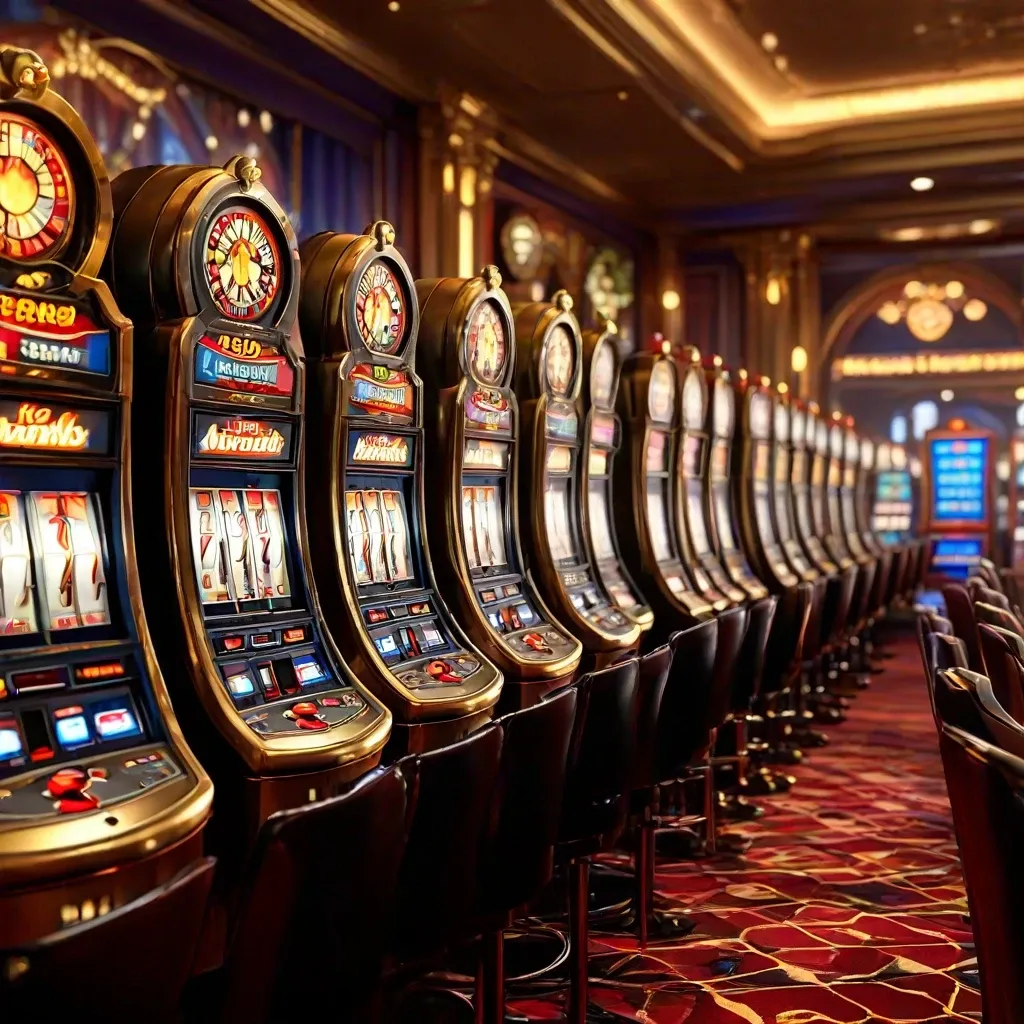
Slot machines! Those flashing lights, the spinning reels, and that tantalizing possibility of a jackpot – it’s easy to get swept up in the excitement. Who hasn’t dreamed of hitting that lucky combination and walking away a winner? The allure is undeniable.
But before you dive headfirst into the world of slots, let’s pump the brakes for a moment. While the thrill of gambling is real, it’s crucial to understand the reality behind those spinning reels. The truth is, predicting wins on slot machines is incredibly difficult, almost impossible. Forget about guaranteed systems or magical strategies; slot machines are games of chance, pure and simple.
In this article, we’re diving into the heart of slot machines to separate fact from fiction. We’ll explore how they actually work, crack the code of the RNG, and understand the role of chance in determining outcomes. My experience with these games has taught me one thing above all: knowledge is power. So, let’s embark on a journey to become more informed players, armed with realistic expectations and a healthy dose of skepticism. We’re not here to promote unrealistic (or illegal!) strategies, but to empower you with the information you need to make smart choices and enjoy the thrill of the game responsibly.
Understanding How Slot Machines Work
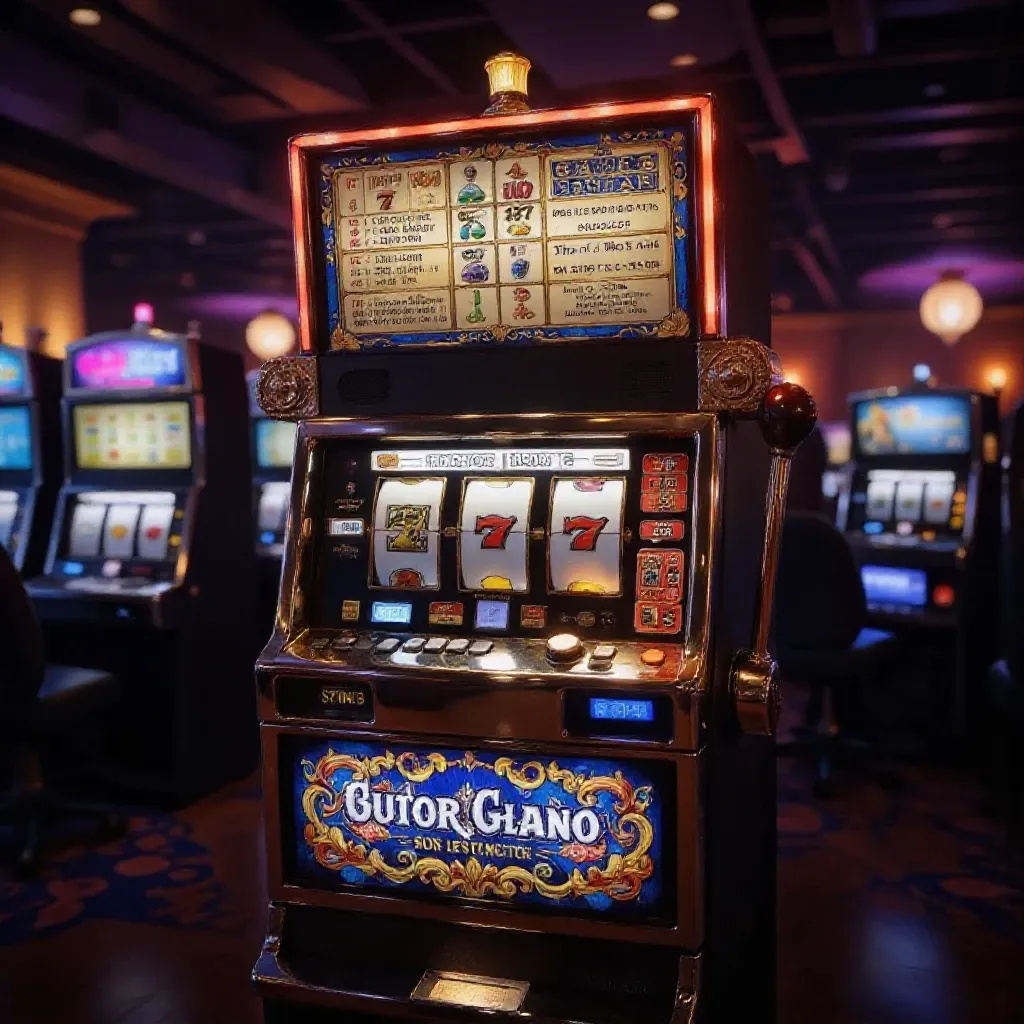
Forget the image of a purely mechanical contraption. Today’s slot machines are sophisticated computerized systems disguised with spinning reels, vibrant symbols, and enticing paylines. While the nostalgic “one-armed bandits” of yesteryear relied on gears and springs, modern video slots utilize random number generators (RNGs) and complex algorithms to determine outcomes.
The core components remain visually similar: reels displaying various symbols, and paylines that dictate winning combinations. However, behind the scenes, these elements are digital representations. When a player pulls the lever or presses the spin button , the RNG selects a random sequence. This sequence corresponds to specific positions on the reels, determining the symbols displayed and whether a winning combination is hit. Understanding this fundamental shift from mechanics to computerized randomness is crucial for comprehending why predicting slot outcomes is so difficult.
The Role of Random Number Generators (RNGs)
At the heart of any system requiring unpredictability lies the Random Number Generator, or RNG. This isn’t a physical device spitting out numbers; instead, it’s a sophisticated algorithm designed to produce a sequence of numbers that appear statistically random. The importance of an RNG cannot be overstated, as it’s the driving force behind the fairness and unpredictability, essential for games of chance and security systems alike.
The process begins with a “seed number,” an initial value that the RNG uses as its starting point. This seed is fed into a complex mathematical formula. This formula then generates a new number, which in turn becomes the seed for the next number in the sequence. The RNG generates a continuous stream of numbers which are instantly converted to the symbols that appear. Modern RNGs, especially those used in sensitive applications, often incorporate cryptographic hash functions. These functions ensure even greater randomness and resistance to prediction. The use of cryptography provides a robust defense against anyone trying to reverse-engineer the algorithm and predict future outcomes.
This careful design ensures that the numbers are unpredictable. Every outcome is independent of the previous one. This eliminates any possibility of manipulation or pattern prediction, guaranteeing a level playing field for all participants.
Debunking Common Slot Machine Myths and Superstitions
Slot machines, with their flashing lights and enticing sounds, have unfortunately become magnets for myths and superstitions. Many players approach them believing in strategies and patterns that simply do not exist.
One of the most persistent slot machine myths is the idea of “hot” and “cold” machines. The belief is that a machine that has recently paid out a large sum is “cold” and unlikely to pay out again soon, while a machine that hasn’t paid out in a while is “hot” and due for a win. However, this is simply not true. Slot machines operate using a Random Number Generator (RNG). This ensures every spin is an independent event, entirely random and completely unaffected by previous spins. The machine has no memory of past results; therefore, it can’t be “hot” or “cold.”
Another common misconception revolves around so-called payout cycles. Some believe that slot machines are programmed to pay out at certain intervals or after a specific amount of money has been wagered. Again, the RNG disproves this. There are no predetermined payout cycles. Each spin has an equal chance of winning, regardless of how much money has been put into the machine or how recently it paid out.
The phenomenon of “near misses” also fuels slot machine superstitions. A near miss is when the reels almost align to create a winning combination. Many players interpret this as a sign that a win is imminent. They think that the machine is teasing them and that the next spin will surely be a winner. But the truth is that near misses are mathematically designed to occur more frequently than actual wins. They create a sense of excitement and anticipation, encouraging players to keep playing, even though the odds remain the same with each spin.
I once saw a player glued to a machine for hours, convinced it was about to hit because he’d had multiple near misses. He kept saying, “It’s gotta pay soon, it’s so close!” He ended up losing a significant amount of money. It’s a stark reminder that hope is not a strategy, and superstitions have no place in the world of random chance.
Finally, some players try to identify patterns in the symbols or reel movements, believing that they can predict when a win is coming. But the RNG ensures that there are no predictable patterns. Every spin is unique and unpredictable.
Exploring the Reality of Slot Machine Strategies
The allure of slot machines lies in their simplicity and the tantalizing possibility of hitting a life-changing jackpot. This has led to the proliferation of numerous supposed “slot strategies,” each promising to increase a player’s odds of winning. However, before diving into these strategies, it’s crucial to understand the fundamental nature of slot machines: they are games of chance governed by Random Number Generators (RNGs).
Many slot strategies revolve around bet sizing. Some suggest increasing bets after a loss (a form of progressive betting) or decreasing them after a win. The core problem is that each spin is an independent event. Past outcomes do not influence future results. While varying bet sizes might change the amount won or lost in the short term, it cannot alter the underlying odds of the game. Volatility plays a role, as high-volatility slots offer larger but less frequent payouts, while low-volatility slots offer smaller, more frequent wins. However, neither can be predicted.
Another common belief is that playing progressive jackpot slots at certain times will increase your chances of winning. The rationale is that as the jackpot grows, the odds somehow become more favorable. However, that is untrue. The odds of hitting the jackpot remain the same with every spin, regardless of the jackpot size. What truly matters is the Return to Player (RTP) percentage, a theoretical calculation of how much a slot machine will pay back to players over millions of spins. While a higher RTP is generally more favorable, it’s important to remember that this is a long-term average and doesn’t guarantee specific results in any individual playing session.
Ultimately, the most practical approach to slots is bankroll management. By setting a budget and sticking to it, you can extend your playtime and enjoy the experience without risking more than you can afford to lose. Understanding the volatility and RTP of a slot machine can inform your betting decisions, but it won’t influence the spin results.

House Edge and Payout Percentages: Understanding the Math
When diving into the world of online games, understanding the house edge and payout percentage is crucial for informed gameplay. The house edge represents the casino’s advantage, expressed as a percentage of each wager. Essentially, it’s the statistical difference between the payout and true odds. For instance, a game with a 5% house edge theoretically returns $95 for every $100 wagered over a very long period.
The payout percentage, often referred to as Return to Player (RTP), is the inverse of the house edge. An RTP of 95% indicates that, on average, the game is designed to return 95% of all wagered money to players. It’s vital to remember that both figures are based on probability and operate over the long term. Individual sessions can deviate significantly from these averages due to short-term variance. A player might experience substantial wins or losses in any given session, regardless of the RTP.
To illustrate probability, consider a fair coin flip. The true odds of heads or tails are 50/50. However, a game simulating a coin flip might offer a slightly lower payout for a correct guess, creating a house edge. These factors, house edge and RTP, are carefully programmed into the game’s algorithm and are regularly audited by independent agencies to ensure fairness and transparency. This auditing process verifies that the game operates as intended and that the stated RTP accurately reflects the game’s behavior over millions of simulated rounds. Understanding these fundamental concepts empowers players to approach games with a realistic perspective, recognizing the inherent statistical advantage held by the house while appreciating the potential for short-term gains.
Responsible Gaming and the Illusion of Control
Responsible gambling is about enjoyment, entertainment and understanding the odds. Problem gambling happens when that line blurs, and the pursuit of winning eclipses everything else. One particularly dangerous aspect of gambling lies in the “illusion of control.” This is the false belief that individuals can influence random events, leading them to make irrational decisions.
Chasing losses is a prime example. The logic goes something like this: “I’ve lost so much already, I’m due for a win! I just need to keep playing.” This fallacy fuels a destructive cycle where gamblers risk more and more in an attempt to recover previous losses, often digging themselves into a deeper hole. The feeling of being in control over betting strategies might also add to this issue, turning strategies into harmful habits.
The key to responsible gambling is setting firm limits – both in terms of time and money. Decide beforehand how much is reasonable to spend and how long a session should last, and stick to those boundaries, no matter what. Self-exclusion programs offer a further layer of protection, allowing individuals to voluntarily ban themselves from gambling venues.
Problem gambling can have devastating consequences, impacting finances, relationships, and mental health. Recognize the signs – increasing preoccupation with gambling, inability to stop despite repeated attempts, gambling to escape problems – and seek help. Many support organizations offer confidential advice and assistance to those struggling with addiction. Remember, gambling should be a source of entertainment, not a source of stress or financial ruin.
Conclusion
In conclusion, the world of slot machines is governed by chance, orchestrated by the enigmatic Random Number Generator. Understanding this fundamental randomness is the key to enjoying slots responsibly. While myths and strategies abound, none can truly conquer the inherent unpredictability of each spin.
The allure of slot machines lies in their potential for excitement and entertainment. Embracing this perspective is crucial. Viewing slots as a form of amusement, rather than a guaranteed path to riches, allows for a healthier and more sustainable relationship with these games of chance.
Remember, responsible gambling is paramount. Set limits, stick to a budget, and never chase losses. Numerous resources are available to help ensure gambling remains a fun and safe activity. Understanding the odds, recognizing potential problem behaviors, and seeking support when needed are all vital components of responsible play.
Ultimately, slot machines offer a world of vibrant colors, captivating sounds, and the thrill of the unknown. Approach them with a sense of fun, a realistic understanding of the odds, and a commitment to responsible gaming. The magic of slots is best experienced when approached as a form of entertainment, where the joy lies in the experience itself, rather than the pursuit of elusive jackpots. Continue exploring our resources for more insights and guidance on navigating the world of people search.